About Me
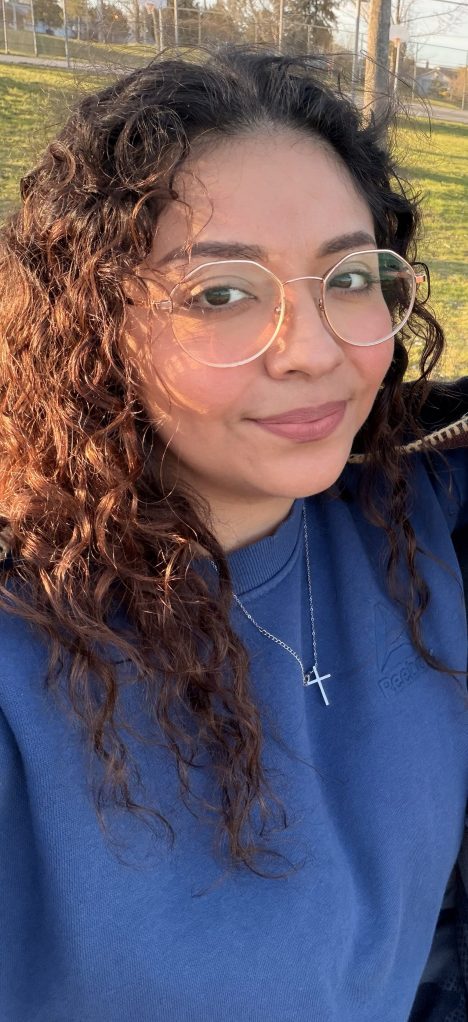
A teacher who loves to teach will teach her students to love to learn.
Welcome!
Hello! My name is Margarita Morfin
Welcome to my literacy blog! I am excited to share my journey as a reader, writer, learner, and educator. Thank you for taking the time to visit my page.
About Me
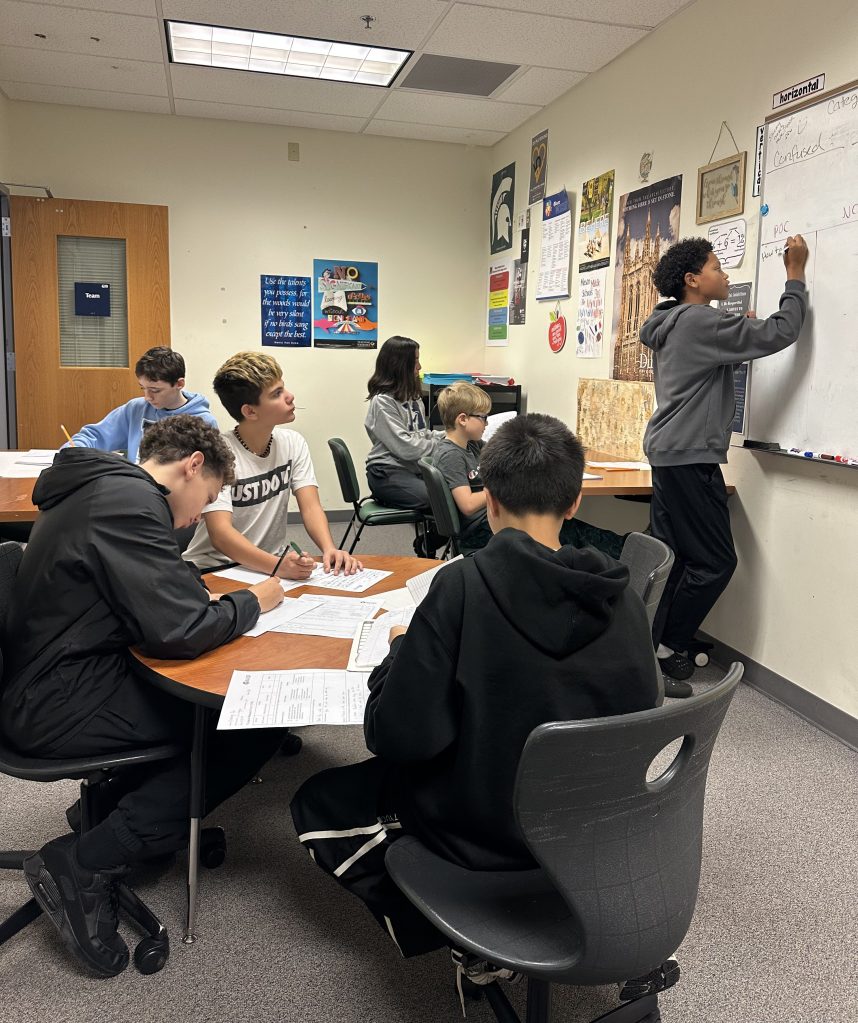
Following my Dream of becoming a middle school teacher. I balance my life as a full-time student, full-time mom, and part-time AVID TUTOR in the AVID program at Mason Middle School. I enjoy working with middle school students. My role as a tutor is to ensure all students have the support and fundamental skills they need to succeed in college.
Full-time student at The Evergreen State College (Tacoma, WA)
Certificate in Culturally Responsive Early Childhood Education from Antioch University Seattle (March 2025)
• • Teaching Aspirations & Endorsements: ELA (English Language Arts) and AVID Teacher, with target endorsements in K–8 Early Childhood Education and Middle School Education
Grade Level or Content Area I Teach (or hope to teach): currently working closely with an Avid teacher, have been in Avid ( middle school elective) for three years. Studying to become an ELA teacher and an AVID teacher. I received my certificate in culturally responsive early childhood education. At Antioch University Seattle, WA. Aiming for an endorsement in K-8 early childhood education and middle school are the teaching areas I’m hoping for.

My Educational Journey
originally from a small town in easter Oregon,(Hermiston). I moved to Tacoma, WA, in March 2006 and have made it my home since.
My primary inspiration to become an educator comes from my children. Being deeply invested in their education introduced me to many wonderful educators who showed me the power of supportive learning environments. My hands-on experience supporting students with special needs and working directly with middle schoolers has profoundly shaped my approach. Starting my work as an AVID tutor while completing my studies at Evergreen has reinforced my passion for guiding young minds.
My Literacy Philosophy
Literacy begins long before a child reads their first book: it starts in the rhythms of a caregiver’s voice, the stories told at a kitchen table, and the pictures a child points to and names. I believe every child arrives already literate in a meaningful way — in their home language, their culture’s oral traditions, their family’s ways of communicating — and that our job as educators is to build on that existing literacy rather than treat children as blank slates. Literacy is also identity work: when a child sees themselves reflected in a story, or is invited to tell their own story, they learn that their voice matters.
It How do reading, writing, speaking, listening, storytelling, and culture impact learning?
These are not separate skills to me — they are interconnected threads of the same fabric. A child who is reading a book like Green Eggs and Ham isn’t just hearing words; they’re absorbing rhythm, repetition, and the joy of language, which builds the foundation for their own speaking and writing. Storytelling, especially, carries culture: it’s how families pass down values, history, and ways of seeing the world, and when I bring children’s own cultural stories and languages into the classroom, I’m affirming that their background is an asset, not something to set aside to “fit in.” Following Gholdy Muhammad’s Cultivating Genius framework, I try to design learning that builds identity, skills, intellect, and criticality together — so a phonics lesson can also be a moment where a child feels proud of who they are. Listening, too, is an act of respect: when I truly listen to a child’s speech, invented spelling, or drawing, I’m gathering the clues I need to teach responsively, including for children with special needs or trauma histories who may communicate in nontraditional ways.
I chose education because I saw how much a single caring, attentive adult can change a child’s trajectory — especially for children whose needs, cultures, or family circumstances aren’t always seen or accommodated by traditional systems. My work supporting families with special needs children showed me how easily kids can be underestimated, and how transformative it is when someone takes the time to understand how a child actually learns and communicates. I wanted to be that person in a classroom: someone who sees literacy and learning as a right every child deserves access to, delivered in a way that honors who they are.
What keeps me going is the belief that teaching is never finished — there is always a better, more equitable, more trauma-informed way to reach a child. Every family I’ve worked with, every new framework I study (like Cultivating Genius or trauma-informed practice), and every reflection I write pushes me to refine how I show up for children. I’m motivated by the idea that literacy can be liberating rather than gatekeeping — that if I keep learning, I can keep removing barriers for the kids and families who need an advocate most.
My Goals as an Educator
I aim to create a loving structured respectful, happy environment where all students feel welcomed. A learning community where students have the freedom of speech and know their teacher will understand. A loving community where students feel safe to express their feelings and know their ideas matter.
I hope to impact my students by helping them believe in themselves as capable, valued learners, regardless of their background, ability, or the challenges they carry into the classroom. I want to be the kind of teacher who sees the whole child — not just their academic performance — and who notices when a student needs extra patience, extra support, or just someone to listen. My goal is for every student to leave my classroom knowing their identity and culture are strengths, not obstacles, and knowing that their feelings and ideas matter. For students with special needs or those who have experienced trauma, I want to be a steady, safe presence who helps them feel secure enough to take risks, ask questions, and grow. Ultimately, I hope my students carry forward a sense of confidence, curiosity, and self-worth that stays with them long after they leave my classroom.”
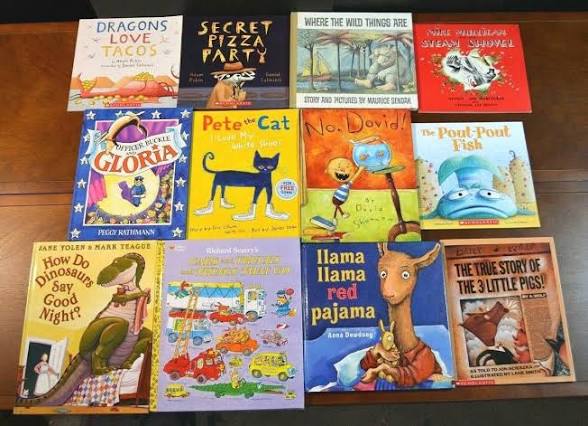
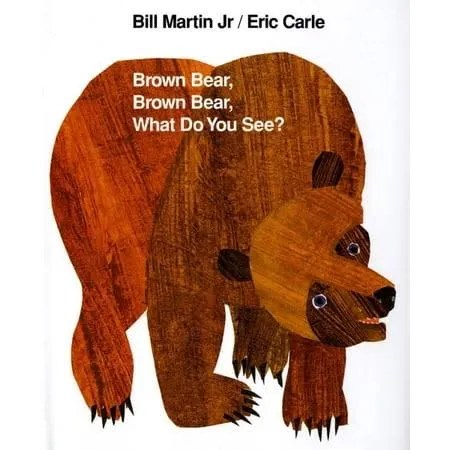
Literature is one of the most powerful tools educators have for supporting students’ emotional well-being because it gives children something rare: a safe distance from which to look at big feelings. When a student reads about a character who is scared, grieving, angry, or left out, they get to explore that emotion without having to own it yet. They can say, “The bunny in the story is sad,” long before they can say, “I am sad.” That gentle mirror helps children name what they feel, and naming is the first step toward managing. Books also expand empathy by inviting students into lives unlike their own — different families, abilities, languages, and experiences — so that classrooms become places where difference is expected and welcomed rather than othered.
Several books have shaped my own social-emotional development, both as a person and as someone who works alongside families of children with special needs. The Invisible Boy by Trudy Ludwig reminded me how much quiet noticing matters — that empathy often looks like simply seeing someone. Wonder by R.J. Palacio deepened my commitment to inclusion and to the belief that kindness is a practice, not a personality trait. The Rabbit Listened by Cori Doerrfeld taught me, in only a few pages, that presence is more healing than advice — a lesson I carry into every advocacy meeting. And Mister Rogers’ The World According to Mister Rogers continues to ground me in the idea that children’s feelings are always real, always manageable, and always mentionable.
Educators can create safe spaces for emotionally rich discussions by first building predictable routines around them. Read-alouds followed by open-ended questions — “How do you think she felt?” “Have you ever felt that way?” — signal that feelings belong in the classroom, not just on the playground. Teachers can set shared agreements: we listen without interrupting, we don’t fix each other, and it’s okay to pass. Small circles or partner talks often feel safer than whole-group sharing, especially for students who mask or who are still learning language for emotion. Representation matters too; when students see their family structures, cultures, disabilities, and identities on the shelves, they learn that their inner life is worth writing about. Finally, teachers model vulnerability appropriately — naming their own feelings about a story shows students that adults have inner lives too.
Like one candle lighting another, a book shared honestly in a classroom passes warmth from author to teacher to child, and eventually from child to child. Literature doesn’t just teach empathy — it practices it.
Hobbies or Interests: Reading, painting, walking at the beach with my family. Attending community events.
Something That Brings Me Joy: Avid students smiles as they walk through the door. And when students greet me with so much happy energy,

Thank You!
Thank you for visiting my blog! I hope my literacy journey inspires you and reminds you that every learner has a story worth sharing.

AboutMe
 maggiemmmblog